History of the
Afar People
The Afar People
A Quick Exploration of the Afar People: A Historical and Demographic Perspective
The Afar people, also known as Danakil, Taltal, Adal, or Odali by their immediate neighbors—Arabs, Tigray, Amhara, Oromo, and Somali, respectively—have a deep-rooted history in the Horn of Africa, with ancestral ties to the Arabian Peninsula. Linguistically, the Afar belong to the Cushitic language family, and historical studies suggest they were among the region’s earliest inhabitants. In Djibouti, the Afar population is over 600,000, accounting for more than half of the country’s population. In Eritrea, the Afar population surpasses 300,000, comprising about 15% of the population. In Ethiopia, the Afar population exceeds 5 million and is part of one of the country’s 10 federal states.
Our Historical Journey
Tracing the rich heritage of the Afar people through the ages
Ancient Origins
The Afar people, known by various names including Danakil, Taltal, Adal, or Odali, have deep-rooted history in the Horn of Africa with ancestral ties to the Arabian Peninsula. As members of the Cushitic language family, they were among the region’s earliest inhabitants.
Pastoral Beginnings
The Afar are believed to be the first among Ethiopia’s inhabitants to develop a pastoral lifestyle that evolved into full-scale nomadism. Originating from the highlands of southeast Ethiopia, they adapted to the challenging environment of their homeland.
Migration to Danakil
The Afar eventually migrated to the harsh desert landscape of Danakil. While this term was historically used by Arabs to describe them, it is now considered offensive. The Afar prefer to be recognized by their own name.
Cultural Development
Afar society developed a decentralized social structure rooted in clans, kinship, and customary institutions rather than a fixed hierarchy. Historical and anthropological sources have used the terms Asaimara (“Red Men”) and Adoimara (“White Men”) to describe broad lineage groupings, though scholars continue to debate how rigidly these distinctions mapped onto social status. Afar clans have historically maintained significant autonomy within a wider network of patrilineal kinship and inter-clan relationships.
Modern Era
Today, the Afar people are predominantly located in Djibouti, Ethiopia, and Eritrea, maintaining their cultural identity while adapting to modern challenges. They continue to preserve their language, traditions, and pastoral way of life.
Afar Population Demographics
Understanding the distribution of Afar people across the Horn of Africa
Accounting for more than half of the country’s population, the Afar are a dominant presence in Djibouti.
Comprising about 15% of Eritrea’s population, the Afar maintain strong cultural ties across borders.
The Afar population in Ethiopia is part of one of the country’s 10 federal states, representing a significant demographic.
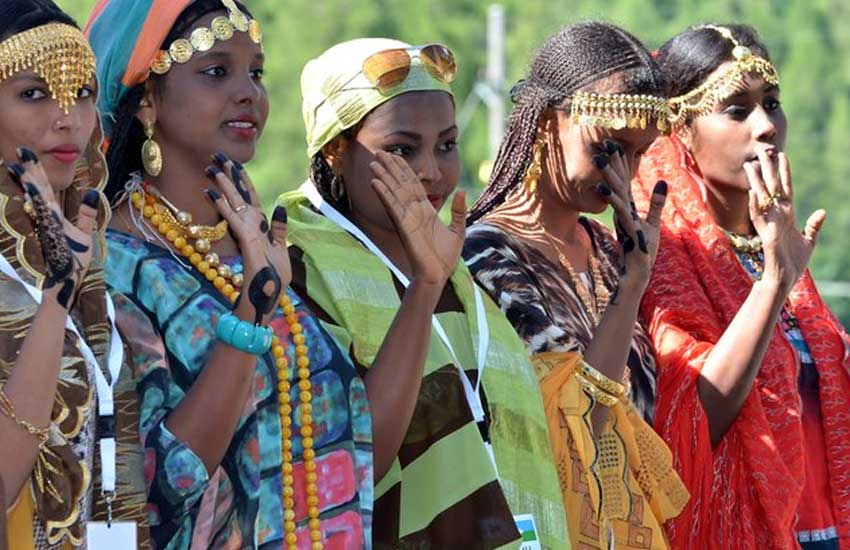
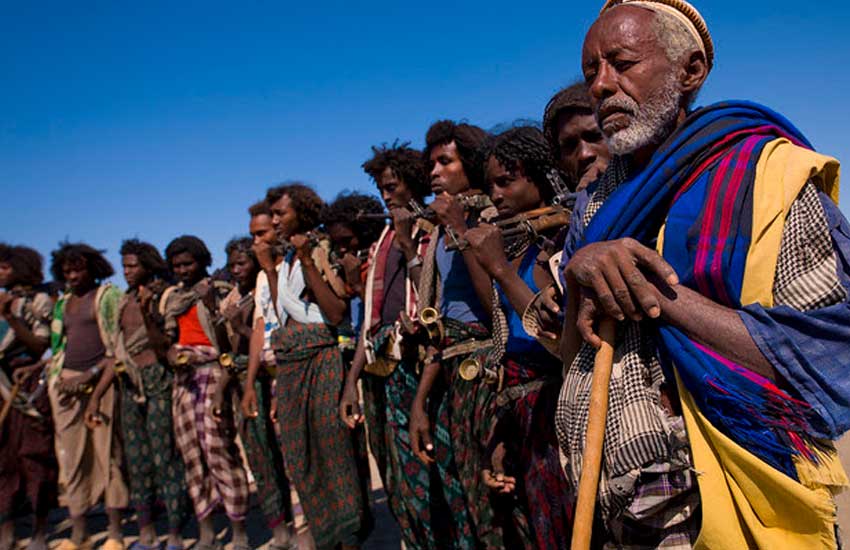
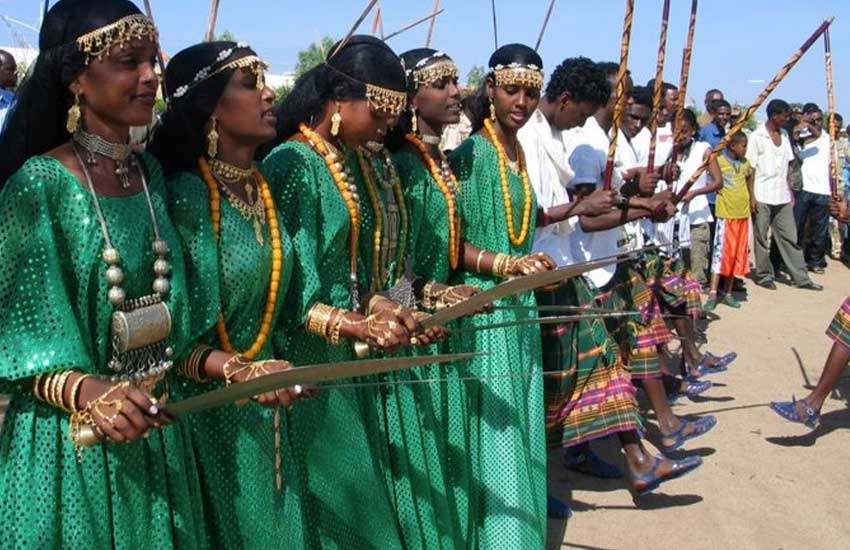
Visual Heritage
A glimpse into the daily life and traditions of the Afar people
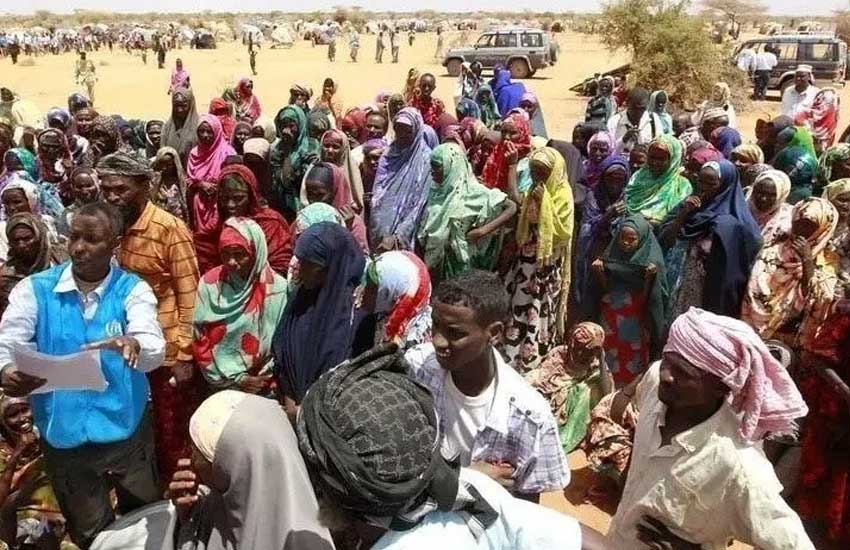
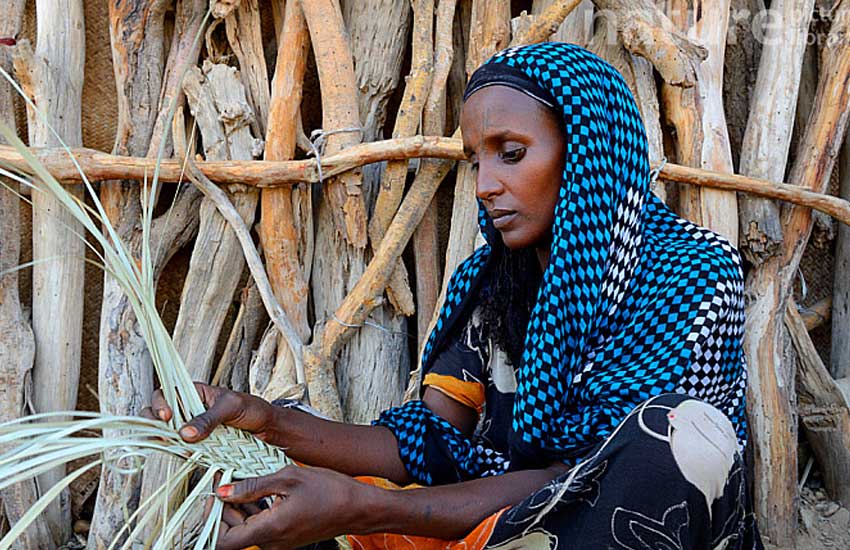
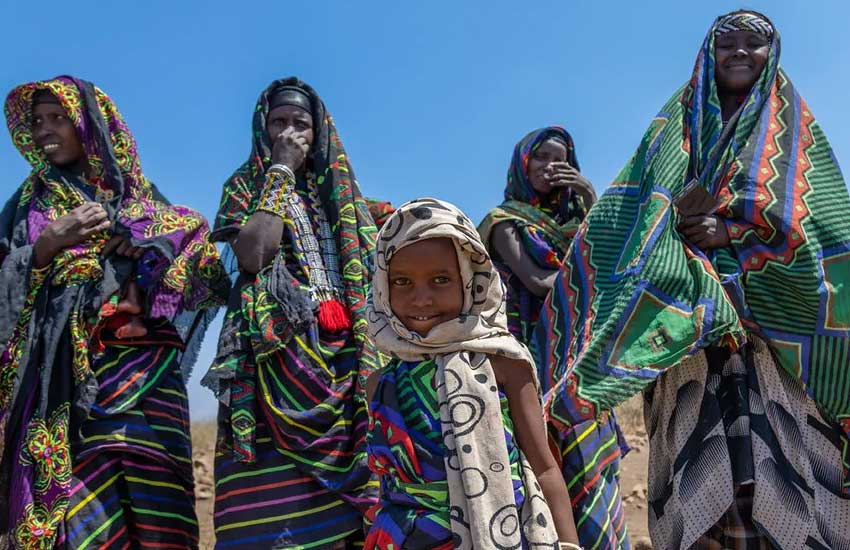
Culture & Society
Understanding the social fabric and traditions of the Afar people
Language & Economy
The Afar speak ‘Afar Af, which belongs to the Eastern Cushitic branch of the Afro-Asiatic language family. Their economy centers around livestock—particularly goats, camels, and cattle. Coastal communities engage in fishing, while those in the Assau oasis practice farming. The Afar are also renowned for their ancient tradition of salt mining and export from the Danakil Depression.
Religious Traditions
While nominally Muslim, the Afar’s religious practices vary by location. Coastal communities and sultanates observe orthodox Islam, while nomadic groups in the interior blend Islamic practices with elements of their ancestral Cushitic religion. According to their tradition, they claim descent from a biblical figure, the son of Noah.
Social Structure
Afar society is organized into patrilineal kinship groups and clans that maintain significant autonomy within a wider network of inter-clan relationships. Historical sources have applied the terms Asaimara (“Red Men”) and Adoimara (“White Men”) to broad lineage divisions, though their precise social and political significance remains a matter of scholarly interpretation rather than a fixed caste system. Age-set systems govern individuals of the same generation, and locally recognized chiefs and customary institutions play a central role in settling disputes and mediating reciprocal obligations.
Justice & Governance
Proud and fiercely independent, the Afar maintain their own legal procedures focusing on compensation for adultery and revenge for homicide. Blood feuds remain a significant aspect of Afar life, except in sultanates like Assau where centralized rule prevails. Larger tribal cooperation typically emerges only during conflicts with neighboring peoples.
Geographic Distribution
The homeland of the Afar people across three nations